Services
We use cutting-edge interventions to rehabilitate the brain — in person and remotely from Halifax, Nova Scotia.
Neurofeedback
Neurofeedback first started in 1924, when Hans Berger, the German psychiatrist, connected a couple of electrodes to a patient’s scalp and measured a small current using a galvanometer. Then neurofeedback became popular in the 1960s when Joe Kamiya did alpha brain wave experiments and showed that brain wave activity could be changed.
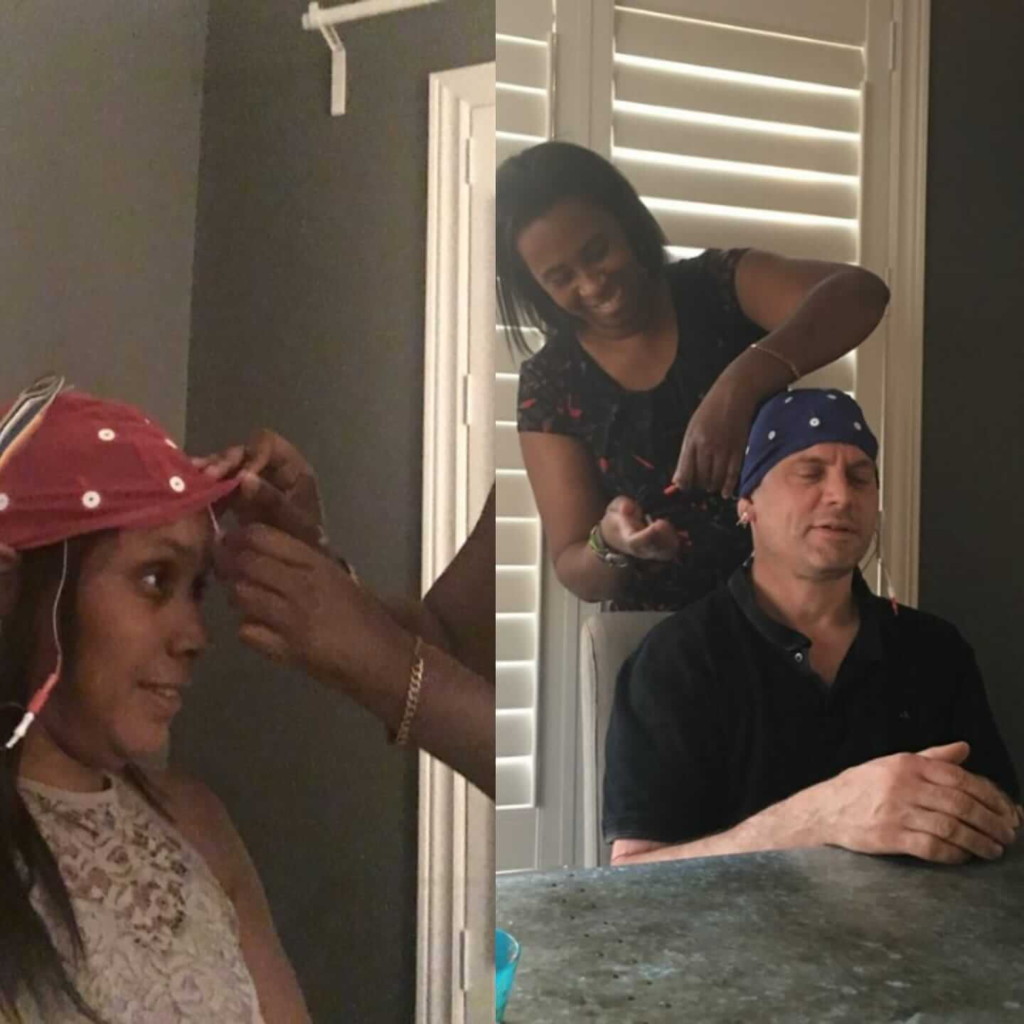
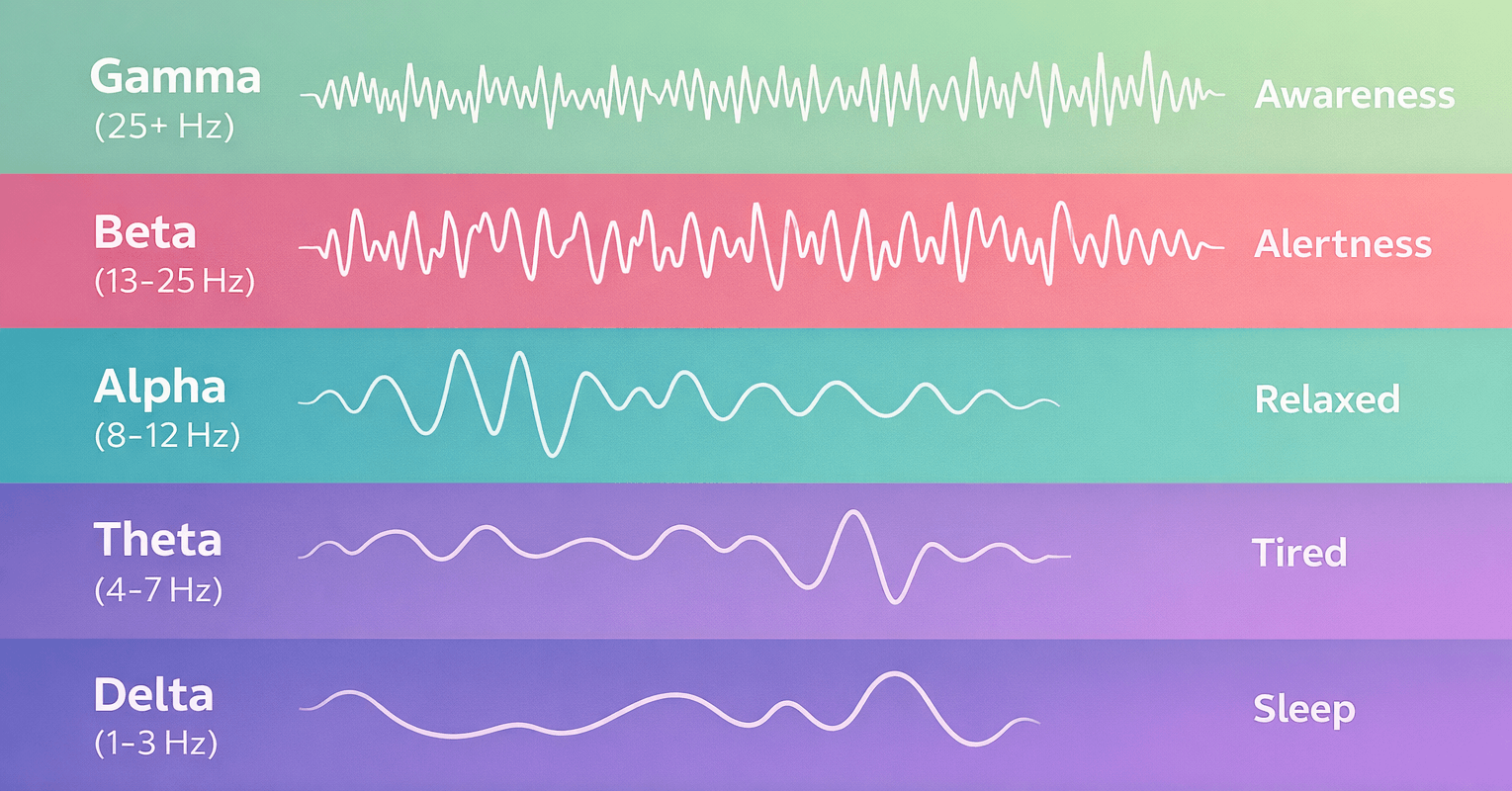
Neurofeedback (NFB) is a non-invasive type of biofeedback that measures real-time displays of brain wave activity which can be used as feedback to teach self-regulation. Sensors are placed on the scalp to measure activity and it uses sound or video to provide the brain with positive feedback for desired brain activity.
2 Options: In-Clinic or Remote
At Lisa’s Holistic Rehab & Neurofeedback, we have two options to offer you based on your profile. We have the in-clinic version for people who have been struggling with their symptoms for a long time, usually from anxiety, depression, or trauma.
For some clients we may be able to offer the Neurofeedback 2 Go (NFB2Go), which is a remote version that can be done in the comfort of your home with a little training. NFB2Go is great for people who don’t necessarily have a diagnosis and want to improve peak performance, or to deal better with your chaotic work/school/home environment
The In-Clinic Process
We start by talking with you to find what you are struggling with and your goals. You will be asked to fill out some checklists (found on the Contact page) which will help us understand where you are now so we can track your progress.
We may give you small weekly activities to do at home that can include:
watching videos and/or breathing and relaxation exercises.
Sometimes, we may suggest working with other professionals.
They can help with things like nutrition or family support so you get the best results.
We also check your brainwave activity. To do this, we place a soft cap on your head.
The cap has small sensors and gel that measure how your brain is working.
This does not hurt.
This helps us choose the best training plan for you.
It is recommended that you come in for up to 20 training sessions at least twice per week.
After about 10 to 12 sessions, we will check your progress again.
If you are improving, we will continue.
As you reach your goals, we will slowly reduce the sessions.
This helps your brain keep the progress you have made.
NFB2Go (Remote)
For NFB2Go — you will purchase the hardware, download the app on your smartphone or tablet, enter your clinician’s unique code, and be guided step by step on how to collect the data. The results will appear on the clinician’s dashboard where the training protocols are created.
Contact us today to see which option of Neurofeedback is right for you.
Coloured Filtered Glasses (Colorimetry)
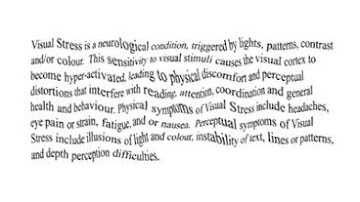
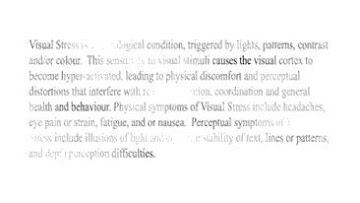
A visual processing disorder is a neurological condition characterized by hyperactivity of the brain’s visual cortex. When this area is not processing visual information properly, the result is visual and perceptual distortions.
- •Do words or letters appear to jump or move on a page?
- •Do you have light sensitivity?
- •Do you struggle with migraines or eyestrain from reading, homework, computer work, or fluorescent lighting?
- •Are you dealing with perceptual distortions that often follow a stroke, concussion, or other brain injury?
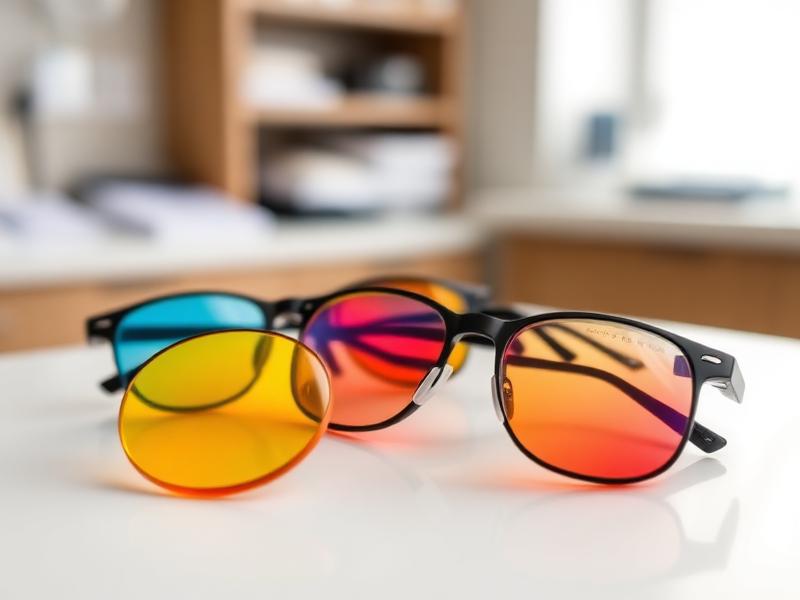
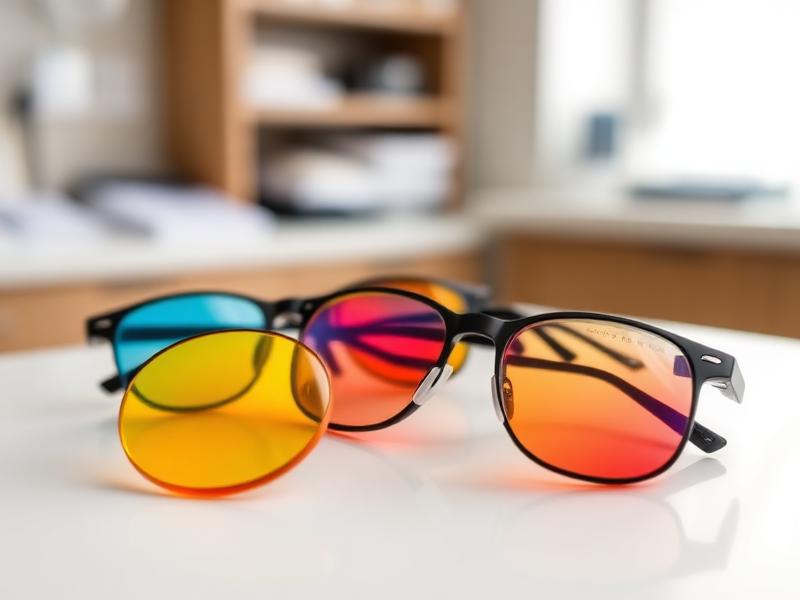
It is possible that precision-coloured filters can help. Lisa’s Holistic Rehab & Neurofeedback can find the right coloured filter for you and work with your optometric team or refer you to a qualified team to find the right solution.
A 90-minute colorimetry test by a clinician is done to determine the precise coloured filters from over 100,000 different colour combinations. A trial pair is worn to verify the effectiveness of the filters in different environments, and the client makes a decision to purchase or not.
Getting Your Glasses
Buy your frames from your optician or one of our partners. Your colour prescription is sent to the lab to prepare the filters. They can add your vision prescription as well if that is needed. Once the filters are returned, the trained optician puts the lenses in your frame.
Note: These look like coloured sunglasses but you do not notice that they are tinted when looking through them (that’s how you know you have the right colour). Your prescription may have some UV protection but it is not enough to consider them sunglasses.

Reading Help
Tutoring someone with a reading disability can be like letting a track and field coach force them to sprint on a sprained ankle. They will get a lot further if you let the ankle heal. For some people tutoring works well, but if you find that they are not progressing any further, it may be time to look at solutions that can work directly on strengthening brain connections — which is called neuroplasticity.
Reading is a complex task that requires many skills to work together. Aside from phonemic awareness, phonics, fluency, vocabulary, and comprehension, the brain connections need to work well.
Typical readers use their left half of their brain in a compact, interconnected and highly efficient way. Poor readers use both sides of their brains in a disconnected and highly inefficient way (Sally Shaywitz, 2004).
How Reading Works
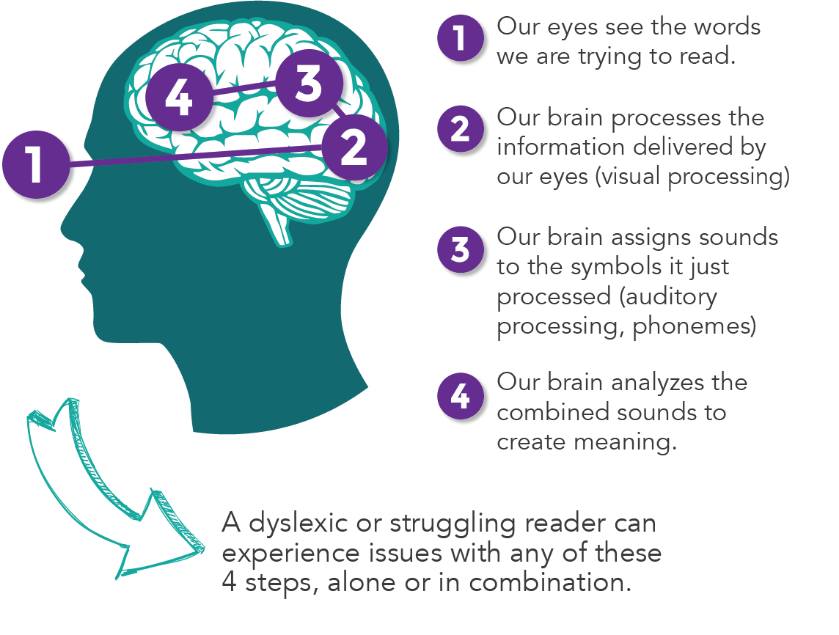
Areas That May Be Affected
- Auditory processing — the way the brain recognizes and interprets sounds needed to isolate and match them.
- Visual processing and visual attention.
- Ocular motor control — the way the eyes move to track from left to right.
- Executive function — an umbrella term that includes high-level skills such as inhibitory control, working memory, and flexibility
Brain-Based Reading Program
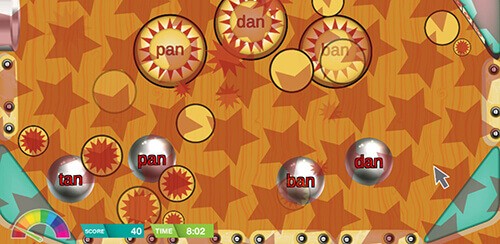
We have a 40-hour, brain-based, 10-week (5 days per week) reading program for various reading levels. It helps rehabilitate and strengthen the auditory and visual processing skills that may cause difficulty for these readers. This program gets to the root cause (neuroplasticity) by using visual exercises to stimulate visual attention, visual processing and working memory, as well as acoustically modified sound to assist auditory perception. In doing so, it develops neurological connections and activation of parts of the brain which are involved in reading.
It can be done either as an online home program on your own or as a hybrid (at home/at clinic) model.
Note that baseline testing sessions will be required.
Listening and Sound Processing
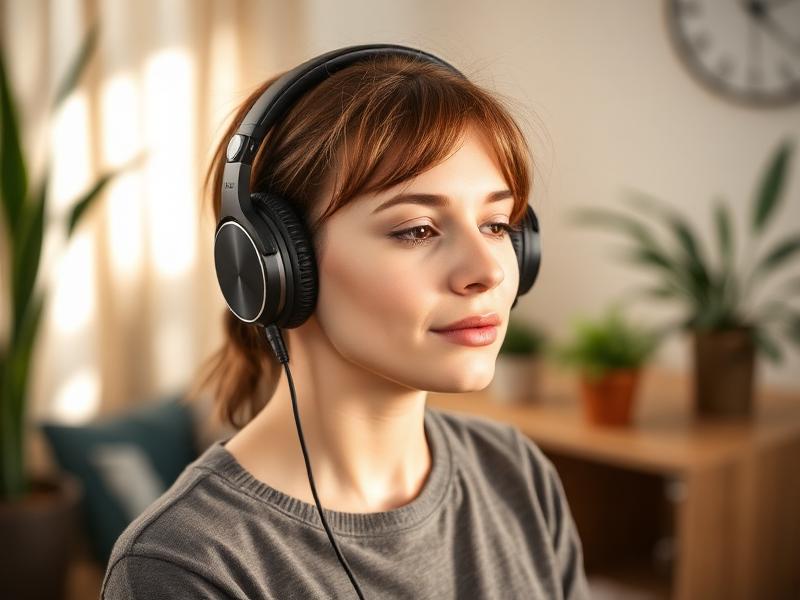
Listening programs were developed to address auditory hypersensitivity, distortions, and delays in listening that negatively impact processing auditory information. The system uses modulated music fed through headphones to an individual to train the middle and inner ear to improve listening skills.
We have a home listening program. It involves listening (from 30 to 90 minutes a day for 14 days) to classical music that has been acoustically modified and delivered through special headphones.
Listening training is a good addition to a treatment plan for those with sensory processing disorder and diagnoses that present with sensory processing difficulties.
Find the Right Intervention for You
Contact us today for a free 15-minute consultation to see which service is right for you.